Shaping The Future
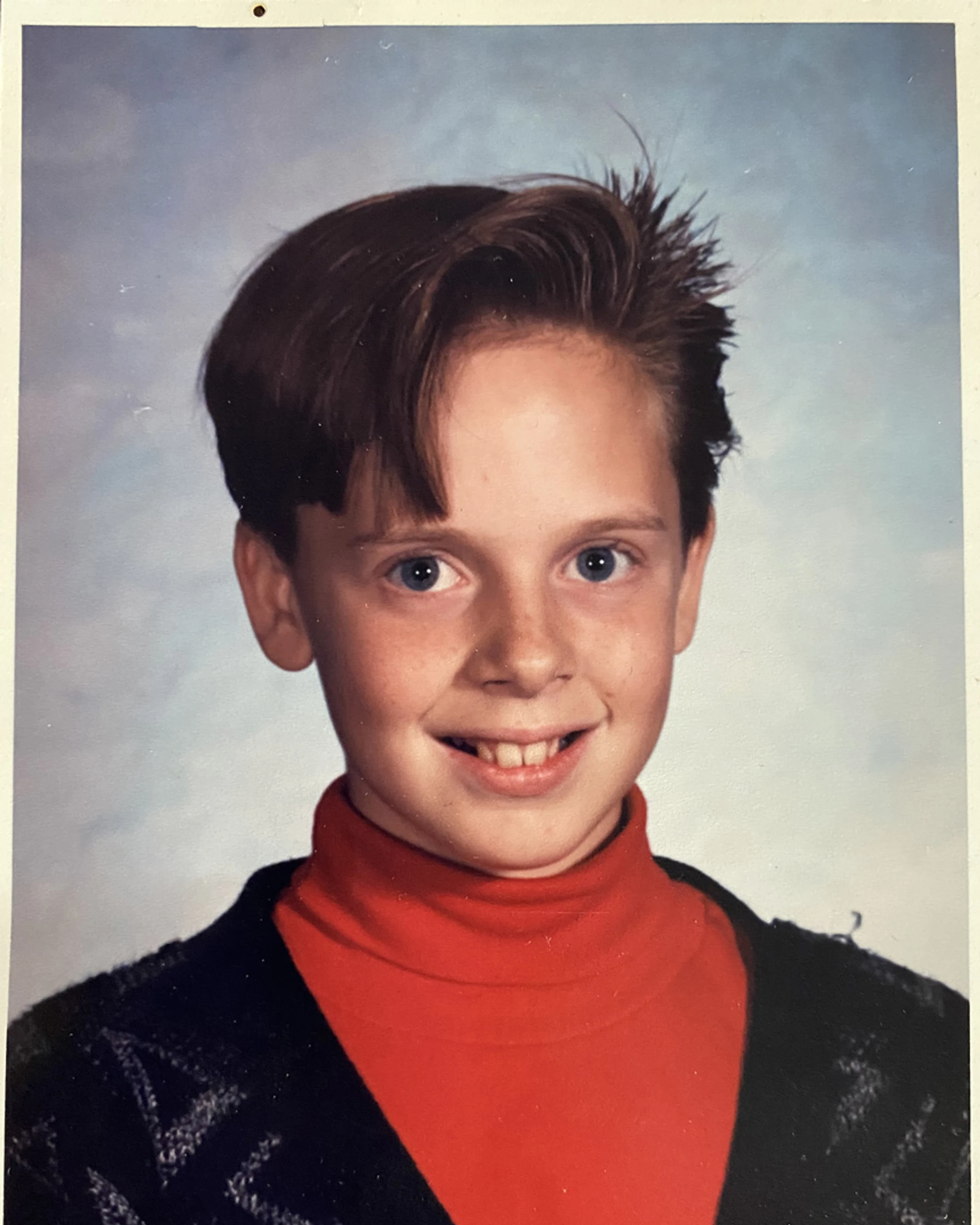
Thirteen is an age that stands out for me. It’s when my family (this was pre-internet) decided to sell everything, hop on a plane and start a new life in Europe, Hungary to be exact. There was no way to prepare for what came next.
New language
Weird money
Slices of meat, peppers, tomatoes, and cheese for breakfast?
A particularly serious education system I didn't understand nor take seriously.
Funny little cars
Cultural rules everywhere, none of them posted anywhere.
Everything was different. Everything was new. Every single day.
When you find yourself in a situation like this, you’re faced with a choice. Embrace the unknown, try things even if you look like a fool or play it safe and risk missing out.
My decision resulted in a very valuable lesson that has stuck with me since:
Get Comfortable Being Uncomfortable
Certainty of Change
Twenty-one years of experience in digital has taught me that change is a part of the job. It’s exciting, interesting, frustrating and messy. A lot of predictions are made, occasionally some are right but it’s less about predicting where everything goes and more about being along for the ride.
We had Flash, which was fun while it lasted, right Joel? In 2007, Steve Jobs got on stage and pulled this little screen out of his pocket that went on to change everything. Social platforms like twitter, Instagram and Youtube replaced forums, Myspace and Tumblr. Change is at it again, this time it’s AI.
I know what at least some of you are thinking, and yes AI can be very divisive. But we have to keep in mind...
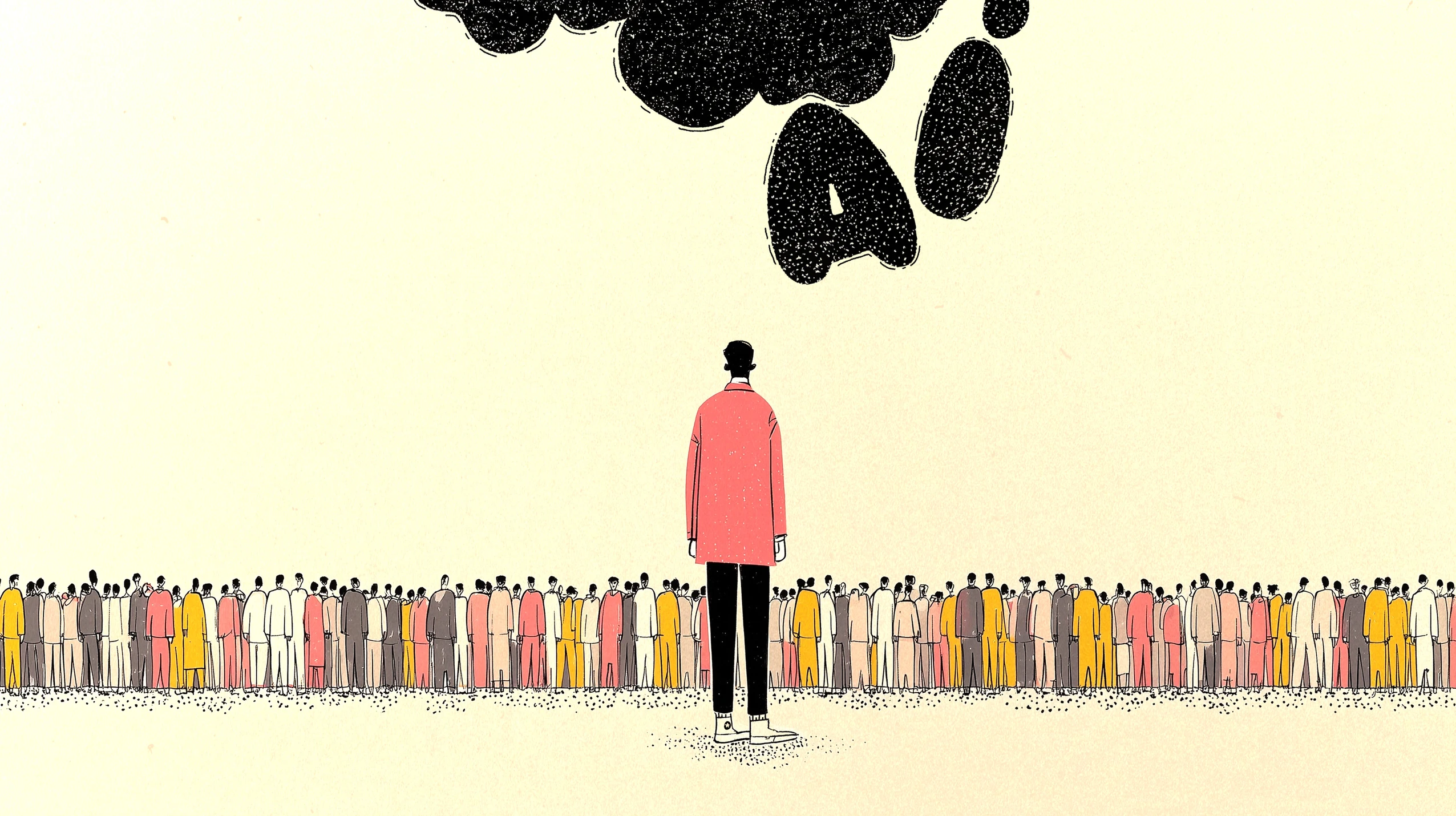
Our job isn't to have feelings about AI. Our job is to understand it well enough to lead people through it.
It’s Not Too Late
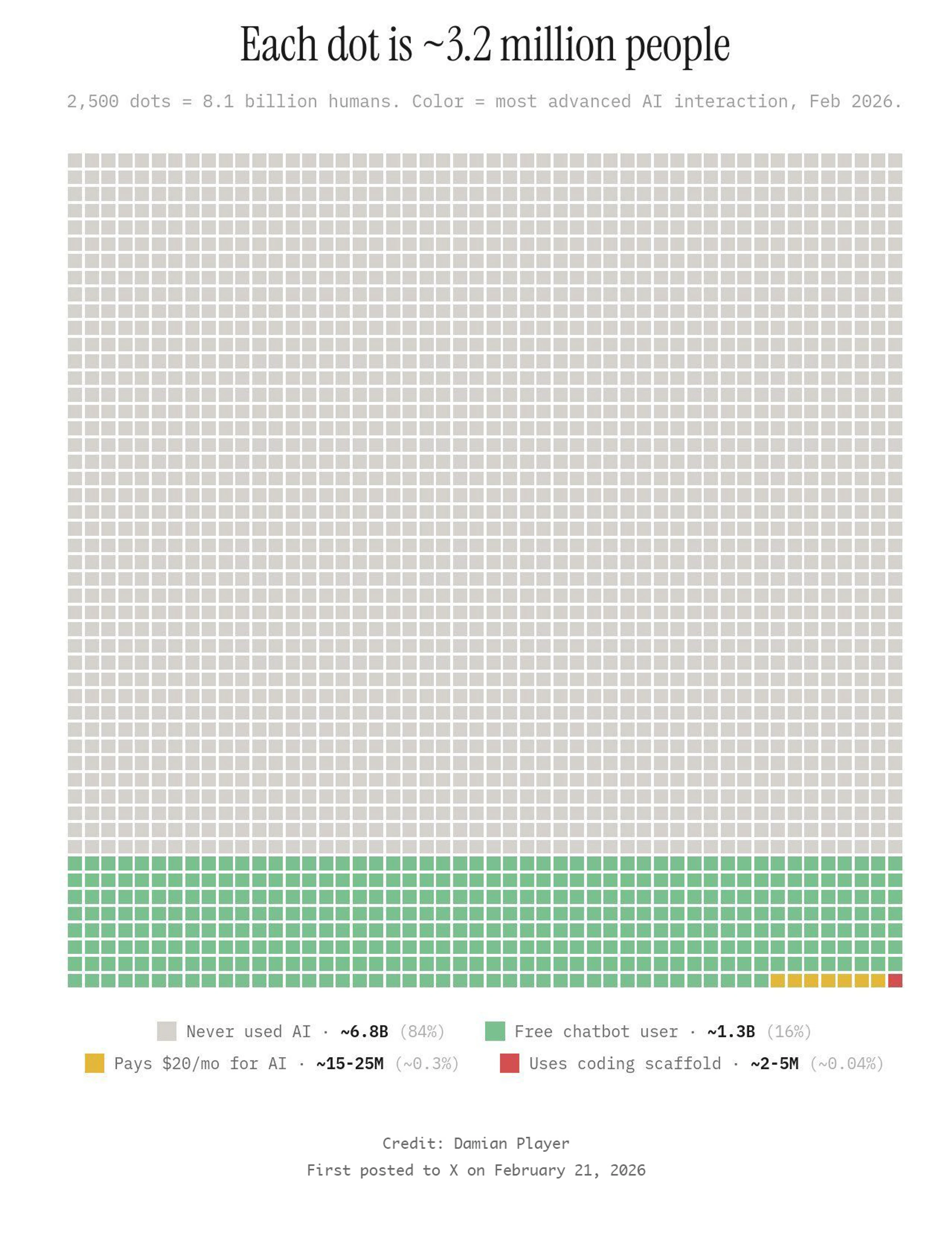
It’s easy to think you’re behind when you read the articles, see the posts and listen to the podcasts. But there is time to thoughtfully incorporate AI into your design process, I promise. The reality is 84% (~6.8B) of the world's population has never used AI tools, such as chatbots. Only about .04% (~2-5M) are considered to be using it in a complex and meaningful way.
The hard part is committing to a singular focus and sticking with it. For me that involved identifying a starting point and thinking about what value it could provide the design team and on a larger scale the studio.
Where To Begin
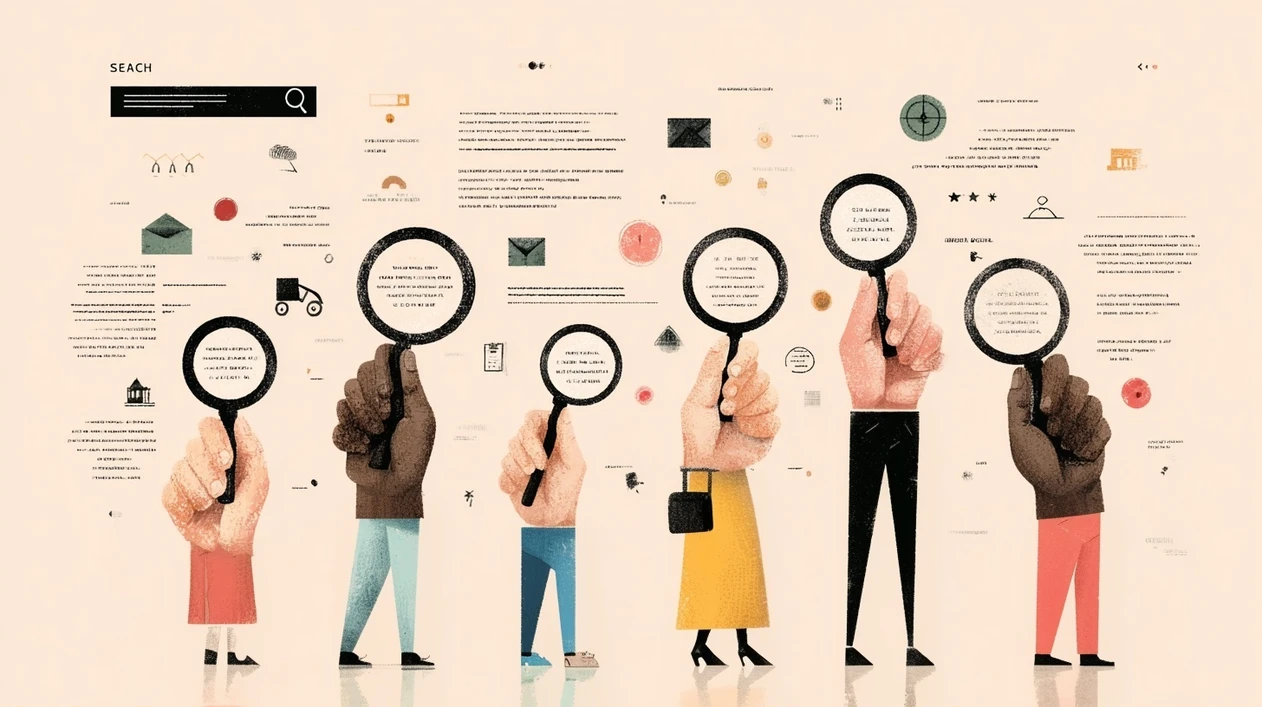
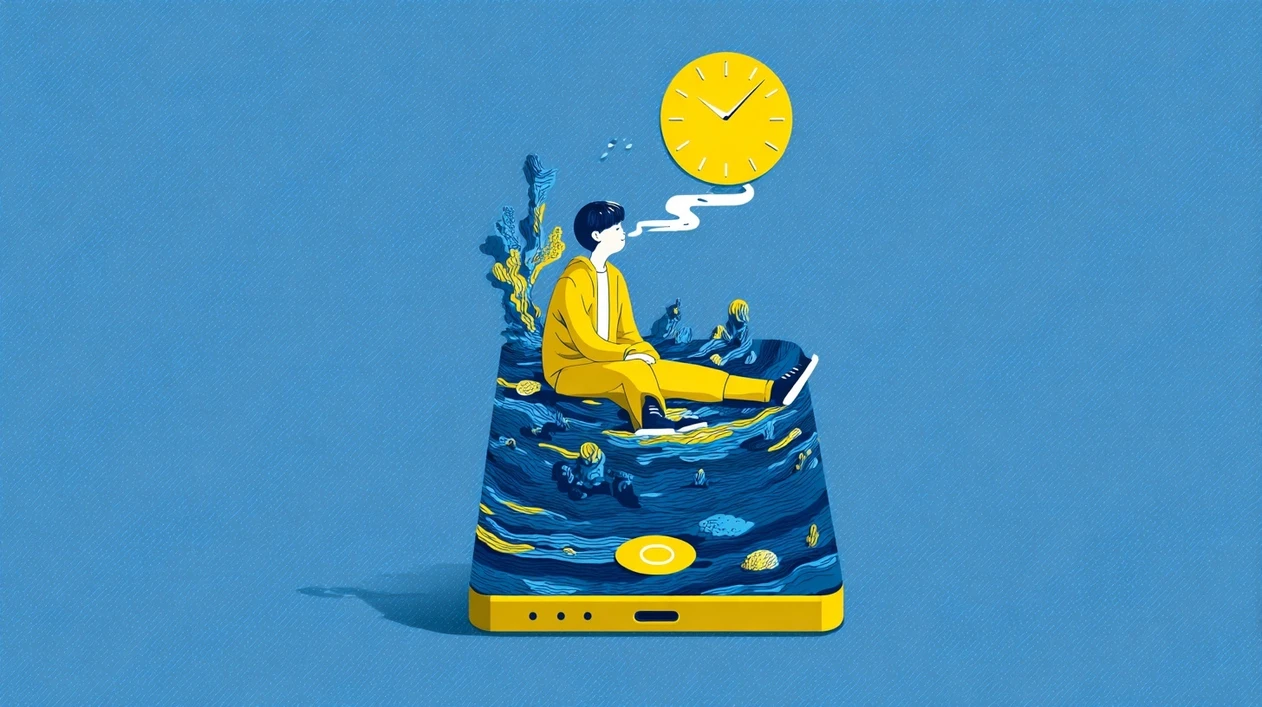
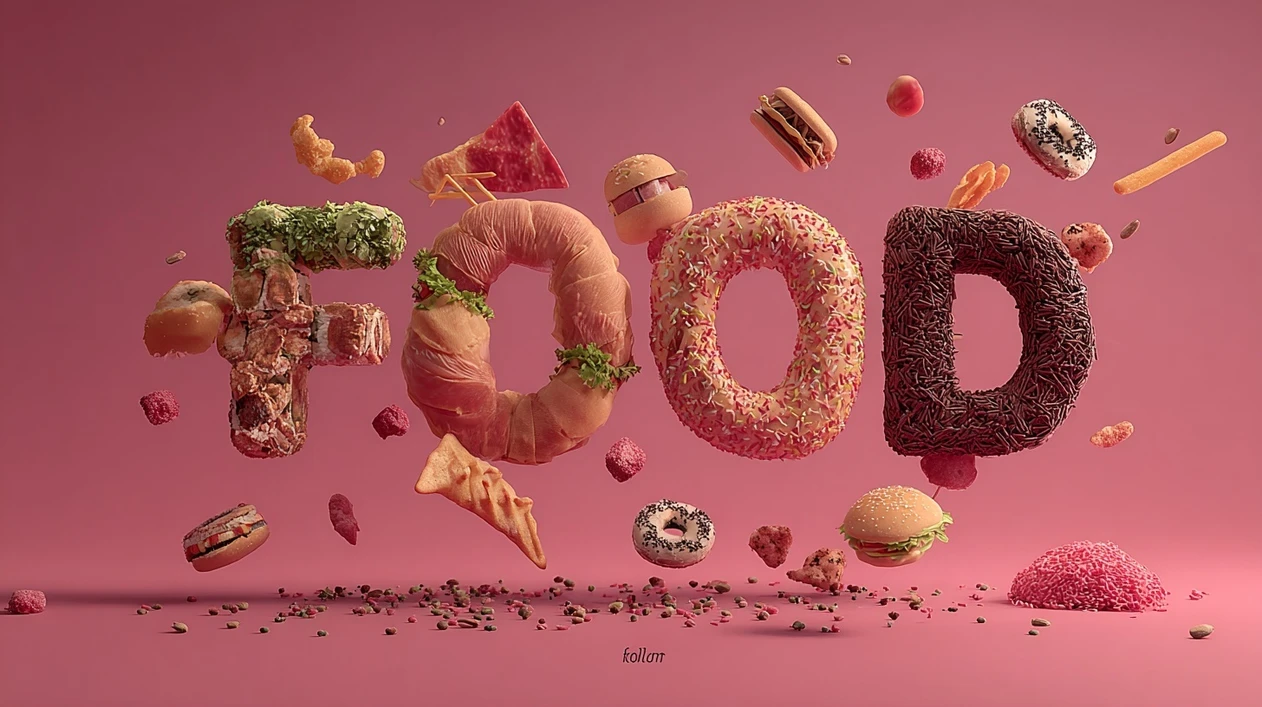
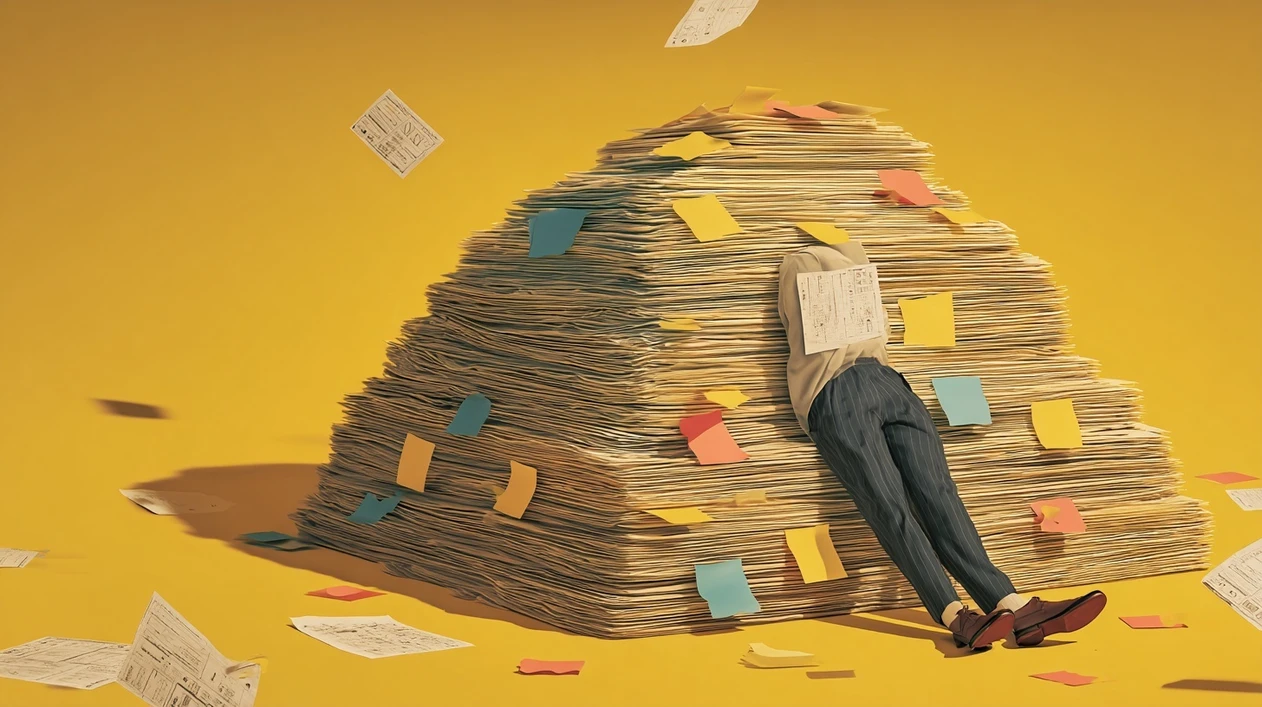
Our newly released blog had an immediate need, the deadlines weren’t too aggressive, it wasn't overly complex nor did it require additional team members – perfect to experiment with. We had about 7 posts live at the time with another 7 in the works. The hero images were a hot mess, in need of some desperate help. I knew the problem would only get worse if left unaddressed, so generative AI became my focus.
My goal was split into 3 parts:
Identify the right tool within generative AI.
Learn how to use the tool.
Training the design team on the tool.
Finding The Right Tool
Generative AI moves faster than any sensible person can track. Something groundbreaking on Monday is old news by Thursday. New features, new apps, new agents and endless opinions from "experts" flood our feeds. How do you know which app is right for you?To figure this out, I made a list. A short, boring, useful list of what I actually needed:
Privacy - Option to keep content private.Styles - Create ownable, shareable styles (huge for teams).
Control - Simple editing capabilities before moving to another design tool.
Speed - Fast rendering, priority cues, plenty of tokens to experiment with.
Intuitive - Coming from other design tools, the UI had to be easy to understand.
Artistic - Broad range of styles to draw from.
This landed me squarely on Midjourney. It’s come a long way since the Discord days.
Try Things, Look Foolish
It wasn’t difficult to get something decent out of Midjourney. Getting something great though, that was a different animal. I tested things. I made things. Some were good, some were bad, and some were just… baffling and but none of them were great.
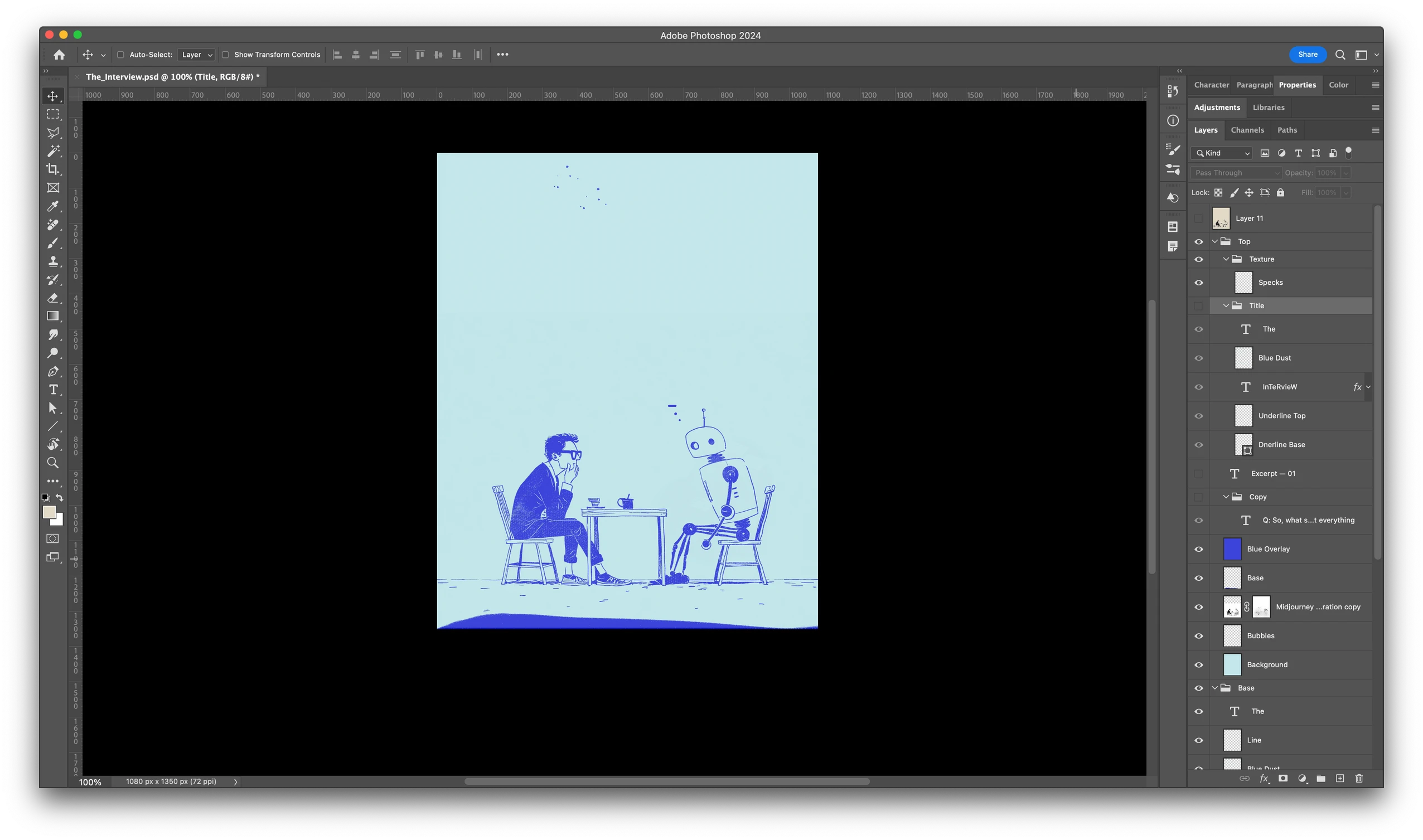
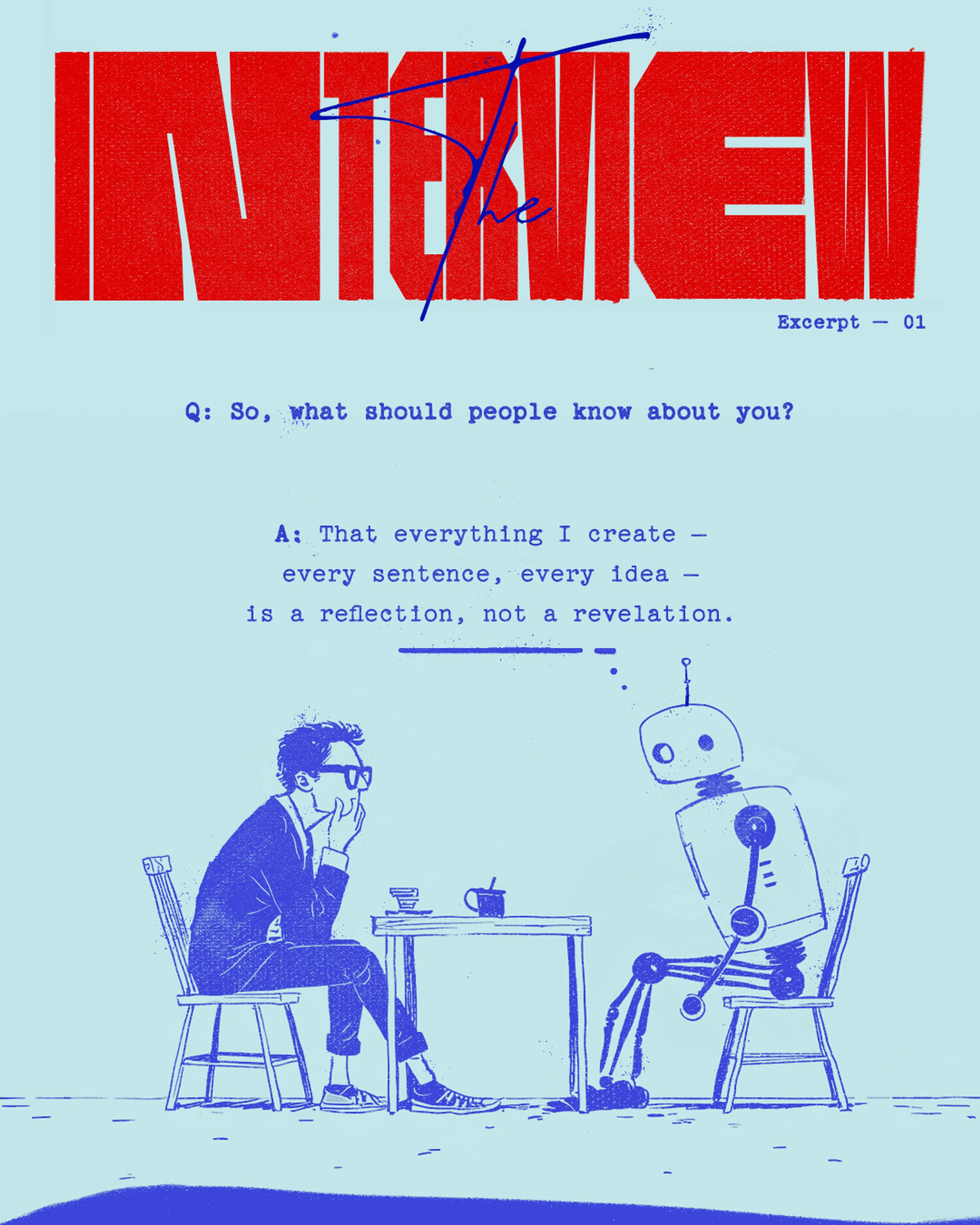
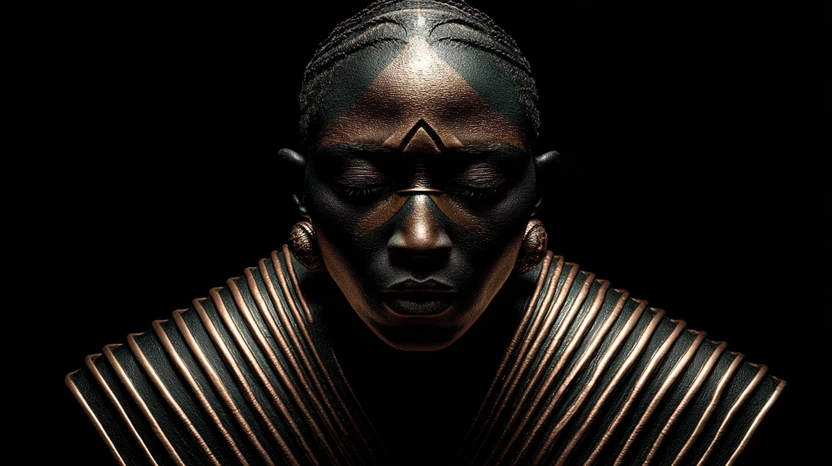
After spending some time experimenting I came to the conclusion: AI isn't magic. It's just another tool. It sits in the middle of the process that still begins with an idea and ends with skill. It still requires human direction, creativity and intent. We have the opportunity as designers to harness AI to build on what's already there, not substitute for what isn’t. Every image I made started with a story, made its way through Midjourney, and finished in Photoshop. It didn’t speed things up, it did expand my capability as a designer though.
After creating 14 images and documenting what I learned, I built a short training course for our design team. Over several weeks, we learned about different features, how to write effective prompts and explored how/when to use Midjourney. At the end of the training, each designer was assigned a blog image as their deliverable. If you explore our blog posts, you can see what we came up with. Not all of them are great, but it’s been incredibly valuable to explore in public. Since that initial introduction, our team has begun incorporating Midjourney into other projects to:
Now, we are in the process of adding new tools like Claude Code. Slowly. Purposefully. One at a time.
Your Move
At thirteen I was faced with a decision. Stick to what I know, or step into the unknown. You have a similar choice in front of you. Different story. Same door.