Welcome

How the World’s Largest Car Company Became our Largest Client
How it Began
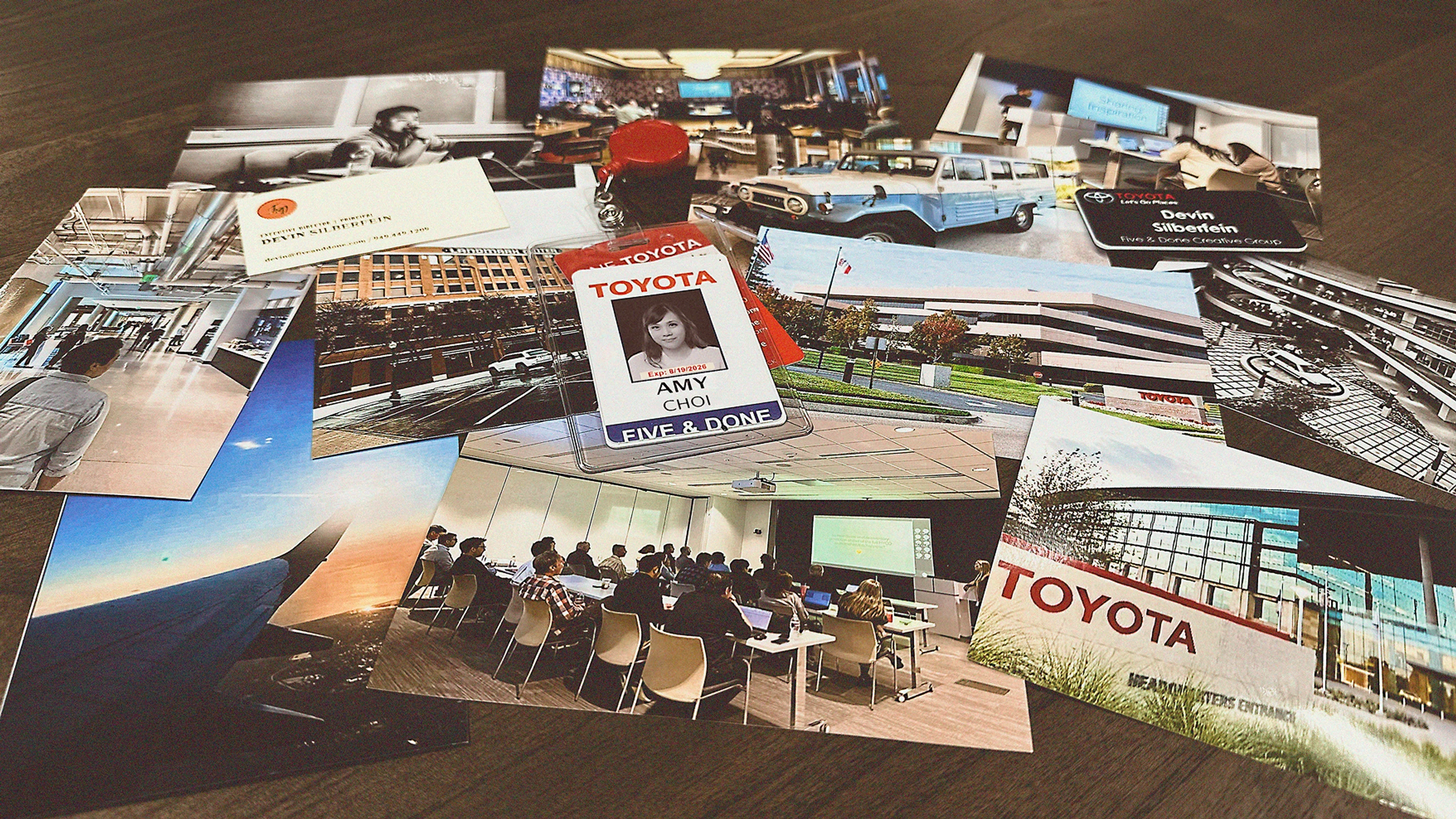
Every company has that one client who believed in them early on; who gave them their first contract (and the confidence) that started it all; whose relationship has morphed and evolved and become company lore.
For us, that client happens to be the largest car brand on the planet, Toyota.
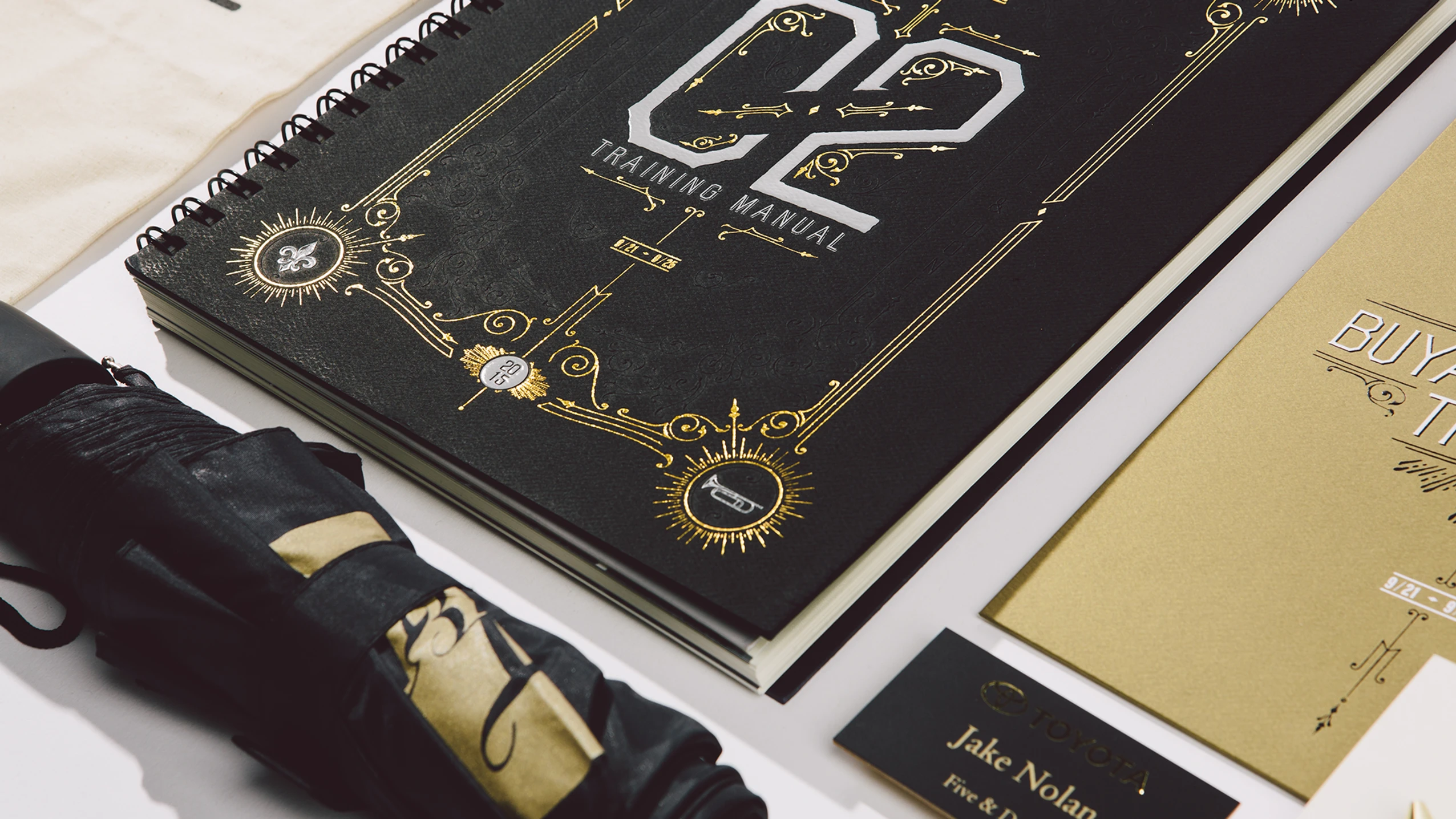
Buy a Toyota
Toyota's second largest property after Toyota.com, which we've designed, built, evolved, and maintained since 2014.
Anything and Everything
Since we opened our doors in 2013, Toyota has chosen to work with us over 150 different times, spanning consumer websites, enterprise applications, and various marketing initiatives.


Approaching an Account of this Size
We’ve sustained such a long tenured relationship by being a true partner to Toyota. But what does that mean? For us, it means truly understanding their people, their organization, and their challenges just as well as they do. We mix that knowledge with our own expertise to craft the best solutions for them.



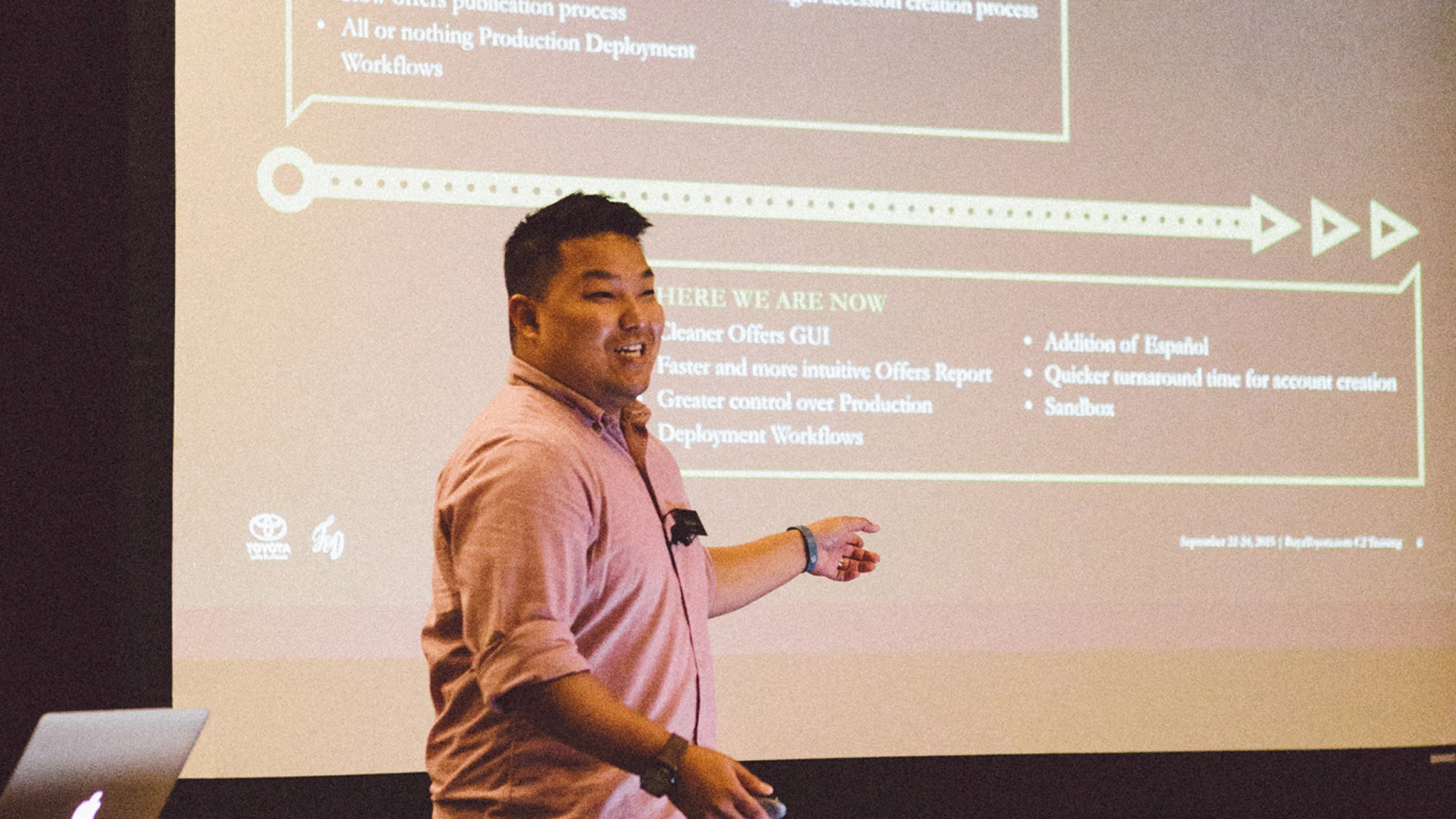
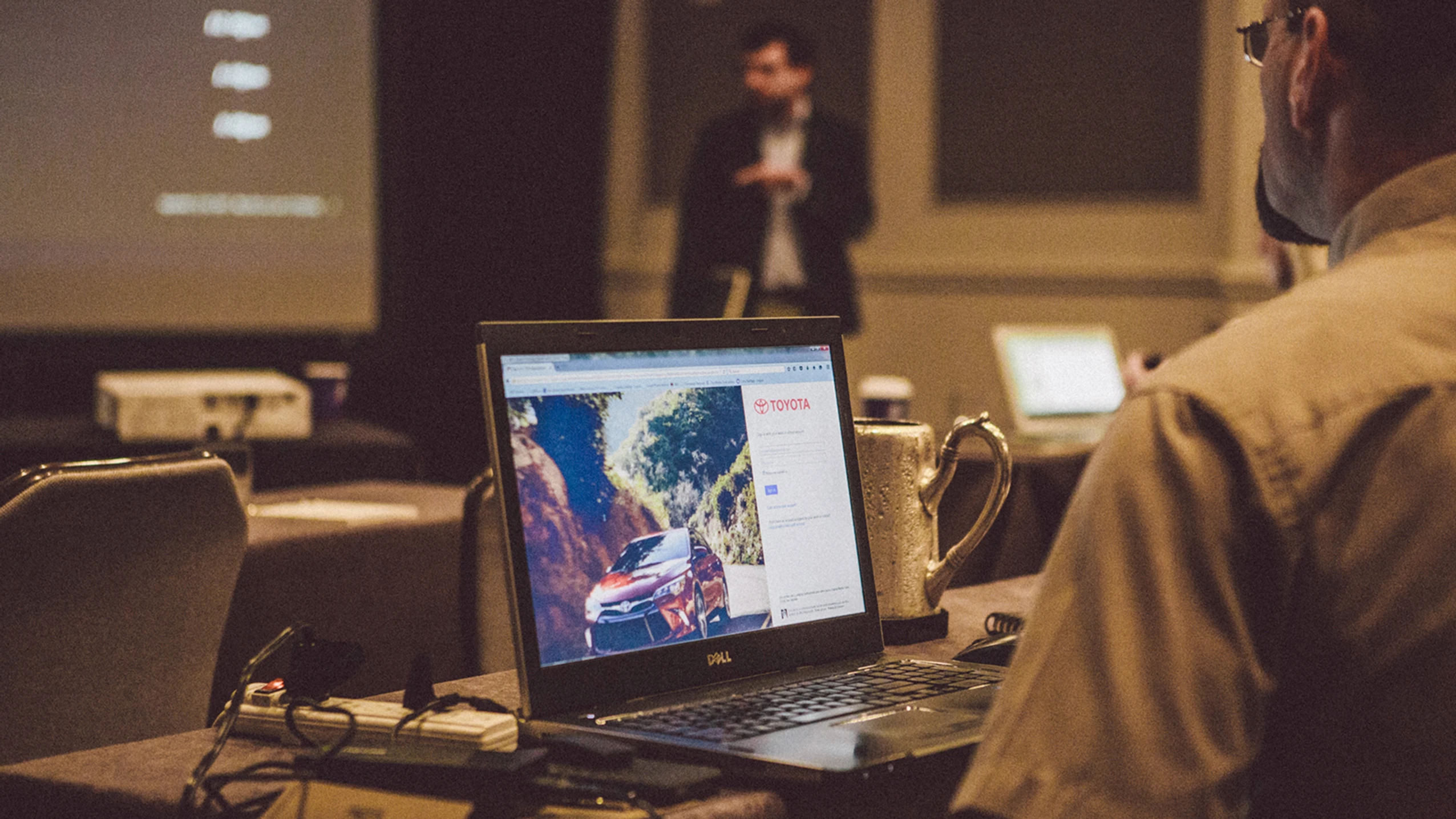


A “Client Relationship” is Just a lot of Personal Relationships Moving in the Same Direction
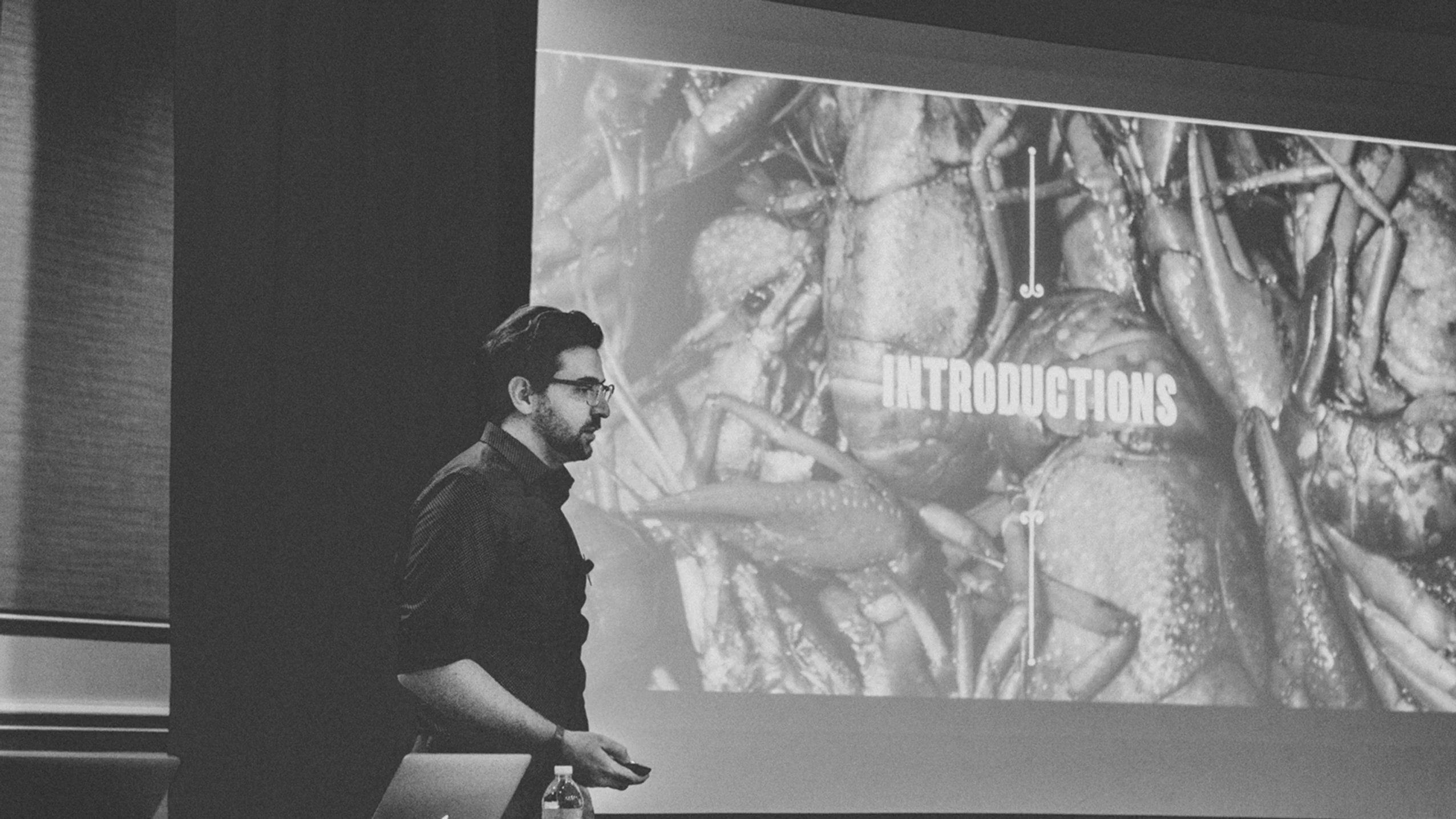
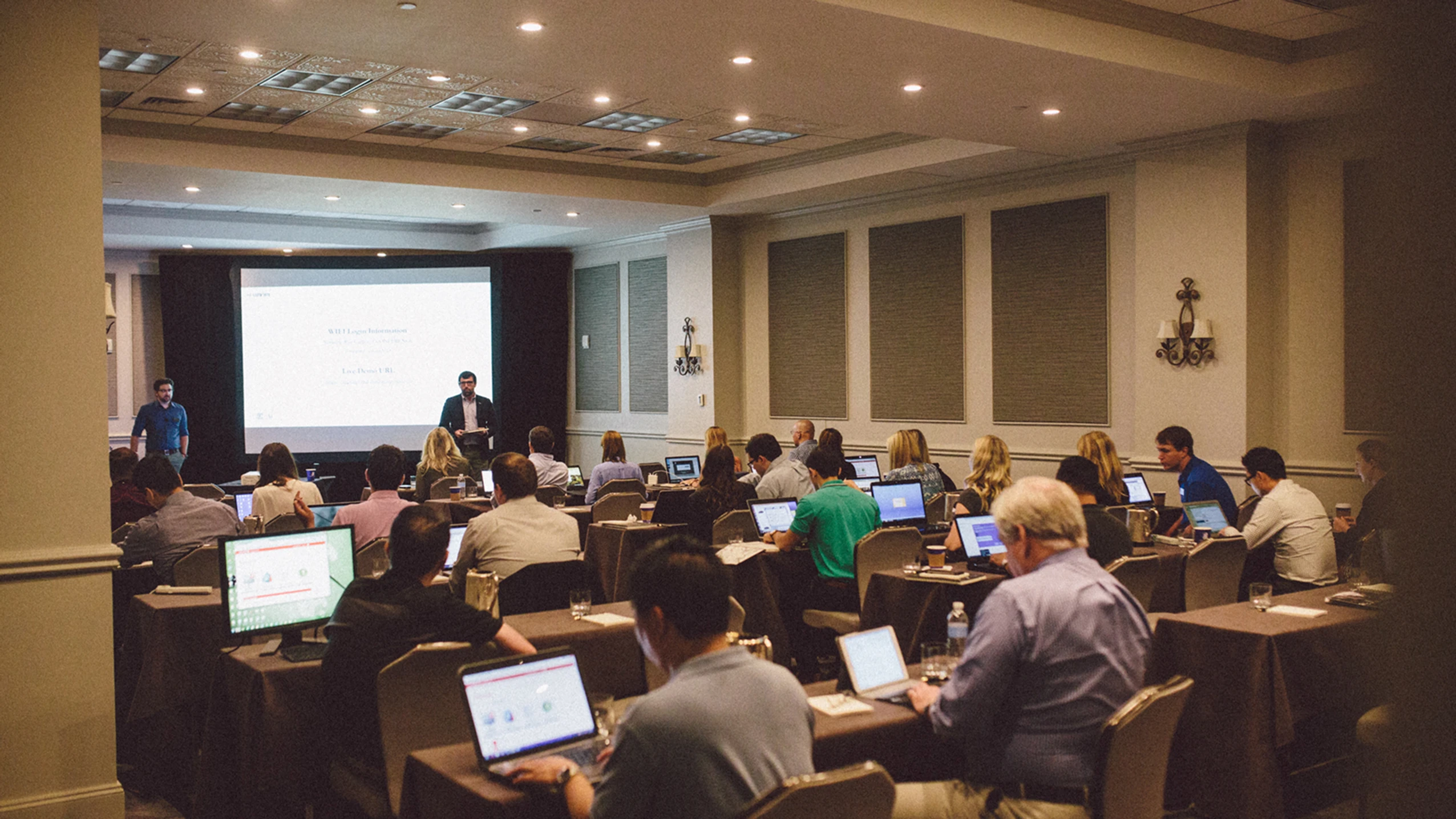
Regardless of how massive an organization is, on a daily basis, we’re working with people. Our client relationship is a product of dozens of individual relationships that are developed over countless projects, presentations, emails, and occasional fire drills. Repeatedly delivering on those day-to-day things builds a long term trust. It’s shorthand for “we’ve got your back and will handle whatever comes our way.” We recognize that trust is earned, requires constant nurturing, and can easily be lost.
We don’t take that lightly.
That's easy to say but what does it actually mean?
It means that, on a daily basis, we bring:
Listening Skills, so we can hear the real problem they’re dealing with and identify the right solution for them.
Knowledge, because we’d just be wasting everyone’s time if we didn’t know what we were talking about.
Solutions, so products, processes, efficiencies, and reputations are always getting better.
Reliability, so there’s no risk and no stress – we’ll deliver.
Accountability, so there’s no finger pointing and they can trust what we’re saying and doing.
Humility, because nobody likes “Our Way or the Highway”.
As obvious as that all sounds, it’s surprisingly unique in our industry, and it’s helped to establish our countless long term client relationships.
We’re Coining the Term “Institutional Wisdom”
We’ve amassed a lot of knowledge working with Toyota this long; we know who to go to if we have a question about any given topic; we know hundreds of acronyms for various teams, initiatives, and applications; we even know the best options for lunch in their cafeteria.
But that's all useless unless we leverage it to be more effective.
That's the difference between institutional knowledge and institutional wisdom.
We’ve built our team and our processes to take our institutional knowledge and turn it into a hive mind that makes us (and our clients) that much more effective.
We see the results of this in big and small ways every day.
Our relationships have yielded a shorthand that helps us communicate more quickly and effectively.
Our stakeholders rely on our technical expertise, detailed documentation, and historical interactions to be true subject matter experts.
Our estimated costs and timelines are more accurate because we know the processes, the potential risks, and the fastest solutions.
Our recommendations consider requirements and risks that other Toyota vendors don’t even know about.
The trickle down effect of institutional wisdom benefits every aspect of every project we work on with Toyota.
Success Isn't Luck; It's Strategy Done Right
The term “strategy” can be thrown around so much in our industry that it can be both generic and unclear. The irony is that strategy is all about clarity. It’s about diving into the fragmented information surrounding a new challenge and devising a clear path forward, ensuring everything is accounted for and works in unison. It’s deliberate, intelligible, and measurable.
We pair data, research, and testing with our deep knowledge of Toyota to make firmly grounded recommendations.
This is Just the Beginning
For us, it’s all about the long game. The relationships we’ve built will help us move more efficiently on the next project. The insights gleaned today will deliver greater performance for tomorrow’s initiatives. And each project we complete strengthens our understanding of Toyota’s landscape, so every future project benefits from the last.
The result is a cycle of continuous improvement for us and for Toyota.